

No-Drill Beauty With Premium Details
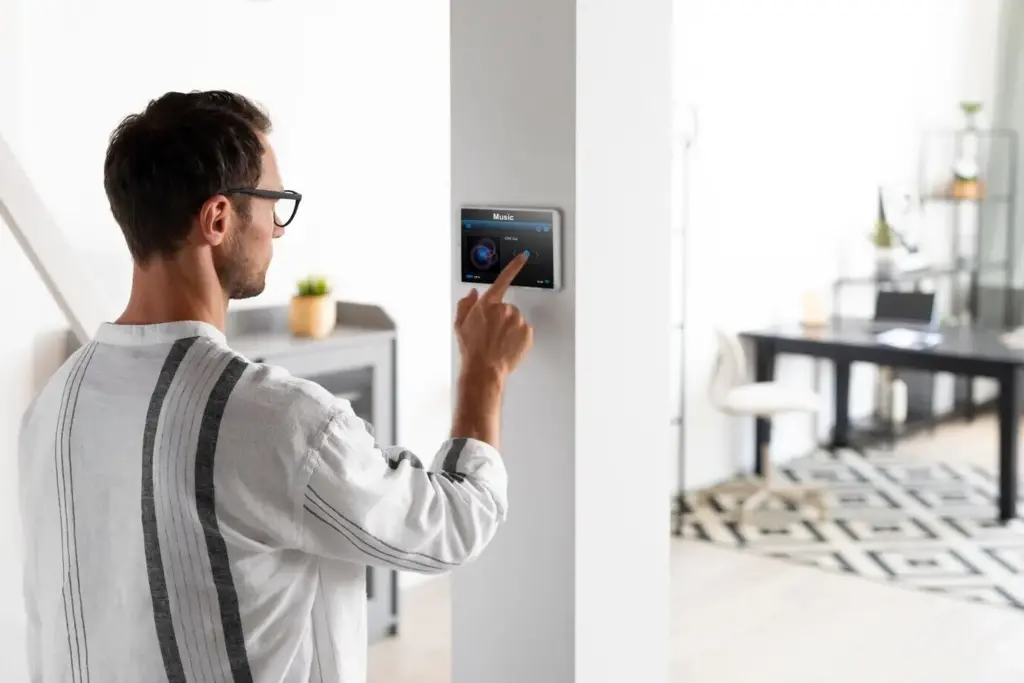
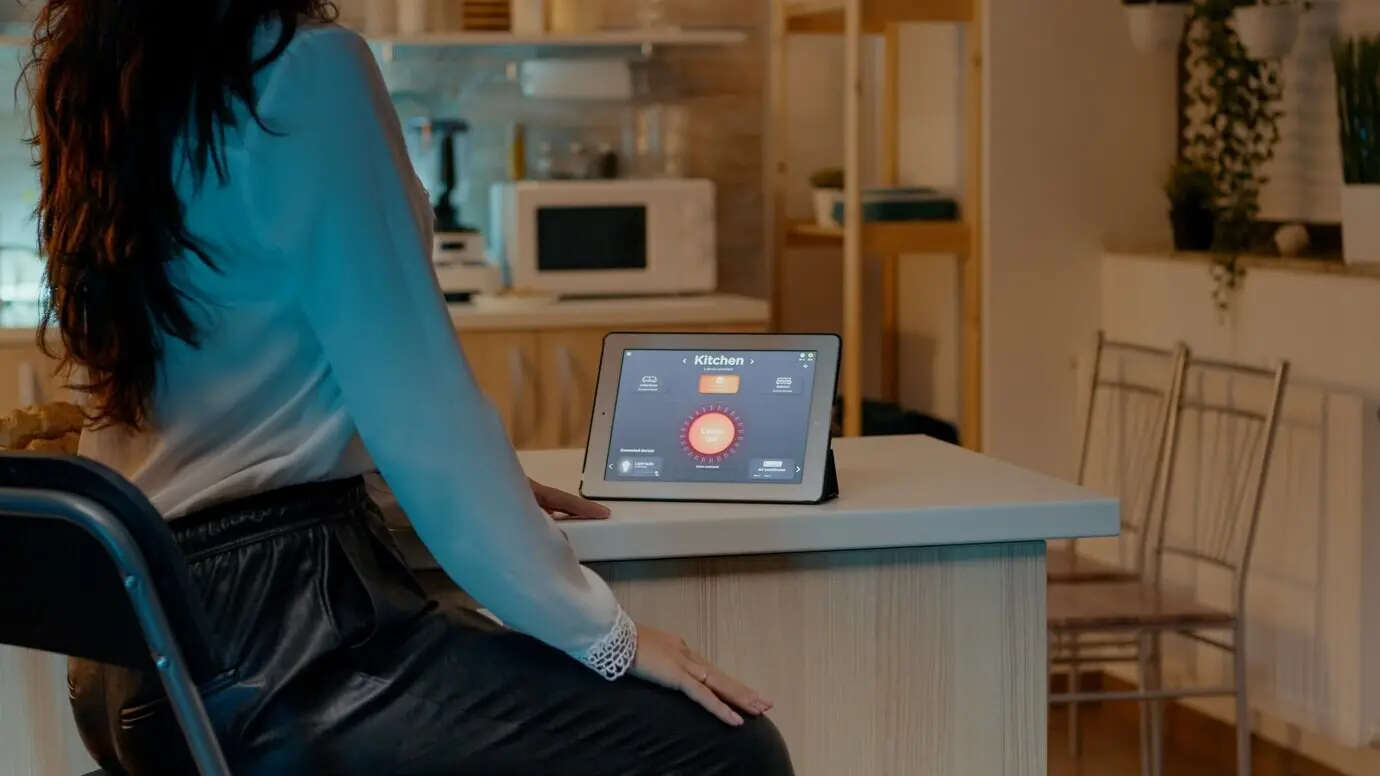
Consider cord covers painted to match walls, adhesive cable guides, and plug-in sconces with fabric cords and inline dimmers. Magnetic battery lights behind glass shelves create sparkle. Prioritize safety certifications and quality hardware so temporary installations feel deliberate, not improvised, and always polished.
Hardwiring in Tight Ceilings and Niches
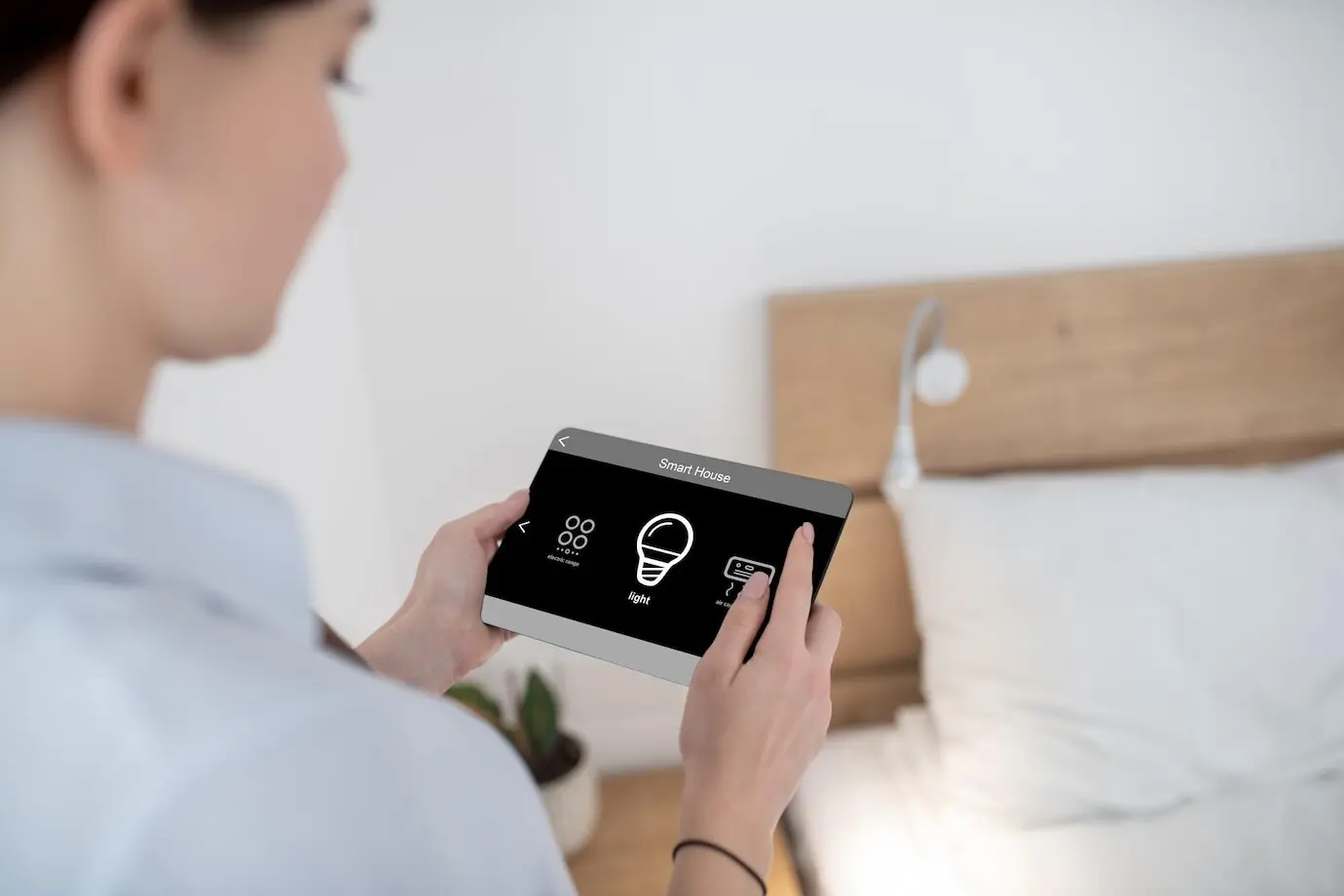
Use pancake junction boxes, shallow trims, and remote drivers located in accessible closets to save space. Coordinate with electricians about load calculations and code. Aim for centered placement to maintain symmetry, and test beam spreads on walls before finalizing hole locations.
Care, Cleaning, and Long-Term Brilliance
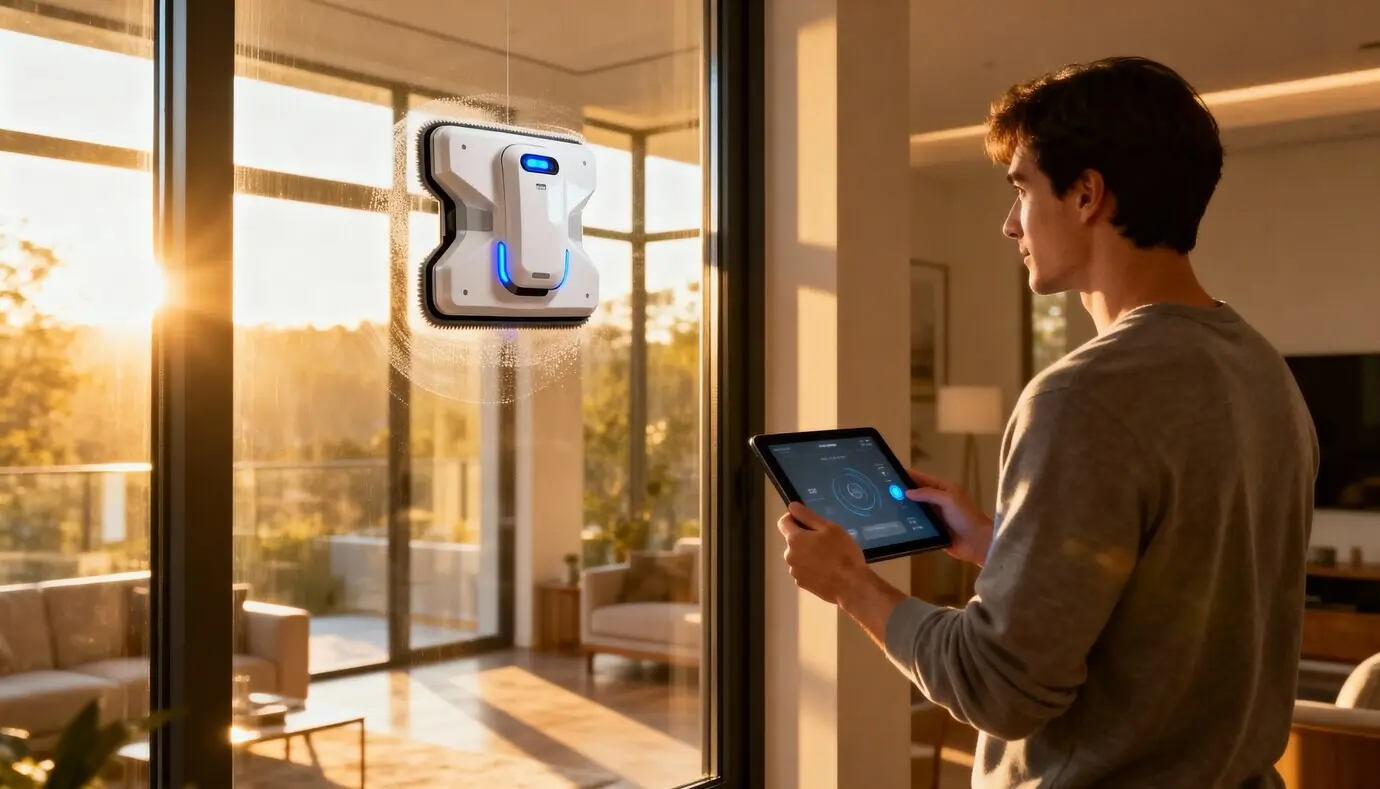
Dust reduces performance and sparkle. Schedule gentle, regular maintenance using microfiber cloths, bulb-safe cleaners, and ladder precautions in small rooms. Check connections annually, replace aging drivers, and keep spare diffusers or shades, ensuring consistent quality and longevity without last-minute scrambling.